Why Your Neckband Headphones Are Uncomfortable During Bench Press

You stand there, music playing, and everything feels fine. But the moment you lie back and retract your shoulder blades, the neckband shifts and gets in the way. While it is easy to blame a poor earbud fit, the real issue is how the headphone structure interacts with the flat bench. Let's explore why headphones move during bench press and identify better gym headphones that won't interrupt your set.
Why Neckband Headphones Don’t Work Well for Bench Presses
The Neckband Can Press Against the Bench
When standing, the rear band hangs naturally. But as soon as you lie flat, it has nowhere to go. It often gets caught between your neck and the vinyl pad. This contact pushes the band forward, throwing the earbuds out of alignment just as you are trying to focus.
The Hardware Shifts and Interrupts the Set
When the bench presses against the back of the neckband, the earbuds tend to move. Rather than just causing ear discomfort, this constant shifting forces you to pause and readjust. It breaks your focus and ruins the rhythm of the set, making you think about your headphones instead of your lift.
Sweat Makes the Band Slip Constantly
Sweat changes how the rubber neckband grips the bench pad. Instead of staying put, the wet band slips and catches as you drive your upper back into the bench. This uneven movement yanks the cables, pulling the earbuds loose mid-rep and forcing you to stop and readjust.
All this pinching and slipping happens because neckbands are strictly built for upright posture. Since you can't change how the hardware interacts with a flat bench, the easiest fix is exploring the best fitness headphones for bench press that won't interrupt your set.
The Better Fitness Headphones Options for Bench Pressing
True Wireless Earbuds for Minimal Interference
True wireless earbuds feature no connecting bands, which resolves the rear-clashing issue against the bench pad. By sitting flush in the ear, they allow you to set your arch without distraction. However, some lifters find they may slip out if facial tension changes during a tough rep. To counter this, look for models with silicone wingtips that anchor securely into the ear cartilage.
Open-Ear Headphones for Breathability and Awareness
Open-ear designs rest over the ear rather than inside, which may reduce the deep-ear pressure caused by shifting hardware. For lifters looking for a secure fit, the Shokz OpenFit Pro is designed to handle gym movements. Weighing just 12.3g per earbud, its flexible titanium hooks sit over the ear. Coupled with IP55 sweat resistance, some lifters prefer this style because it feels less noticeable during heavy sets while still letting you hear your surroundings.
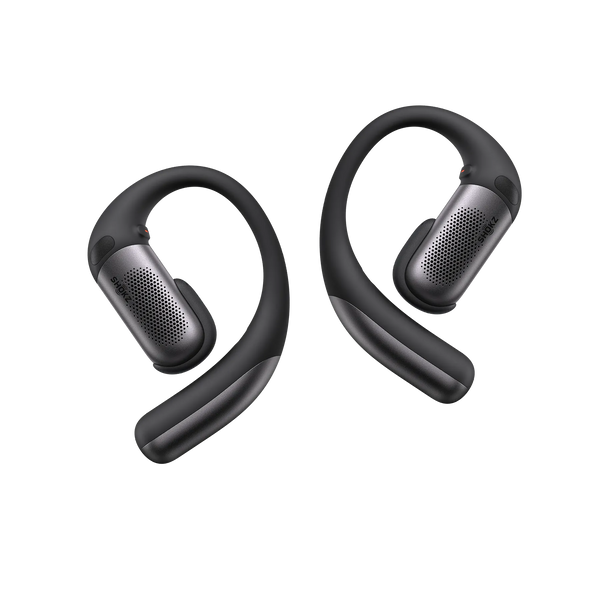
Shopping Tip: If long-term comfort is your top priority, you can also explore OpenFit 2 Plus comfort and its lightweight design for extended listening sessions.
Over-Ear Headphones for Noise Isolation and Focus
Over-ear models avoid the neck-to-bench contact because the headband rests on the top of the head. They offer strong noise isolation for zoning out distractions. While gravity can pull loose earcups backward, pairs with a firmer clamping force tend to remain stable during horizontal pressing.
Tips for Using Fitness Headphones Safely During Bench Presses
While switching headphones often removes the physical interference, these simple habits can make your current neckbands less distracting, keeping your lifts safe and focused.
Stay Aware of Spotters and Gym Surroundings
Even if you are trying to ignore your shifting headphones, ensure you can still hear your spotter’s verbal cues to avoid accidents during heavy lifts.
Give Your Earbuds a "Twist and Lock" Before Lying
Before unracking the barbell, give them a firm twist to seat the silicone tips more deeply. Since the rear band will inevitably shift against the bench, this tighter seal helps keep earbuds from falling out mid-rep.
Manage Sweat to Reduce Shifting
Keep a gym towel handy and wipe down both the bench and the back of your neck before your set. Removing this layer of sweat can limit how much the band slides around as you drive your upper back into the pad.
Be Cautious with Max Volume During Heavy Valsalva Lifts
Dial back the volume slightly before attempting a heavy set. Holding your breath to brace (the Valsalva maneuver) already spikes inner ear pressure. Combining that internal pressure with maximum-volume audio can trigger temporary dizziness or ringing under the bar.
FAQ
Can you bench press with headphones?
Yes, you can bench press with headphones, but the type matters. Neckbands tend to struggle during horizontal movements on a bench, whereas true wireless or over-ear options often perform better.
Is a neckband headphone good for the gym?
Yes, but mainly for upright exercises. They are great for running, cycling, or using the elliptical where your body remains vertical, but they struggle during horizontal movements on a bench or yoga mat.
What are the disadvantages of neckband headphones?
The primary disadvantage is rear physical interference. When lying down or wearing high-collared winter clothing, the semi-rigid band gets pushed forward, dislodging the earbuds and causing physical discomfort.
Conclusion
The main reason why neckband headphones are uncomfortable during bench press is simply how the equipment gets in the way. The band gets trapped against the bench, leading to constant slipping and broken focus. If you want your audio gear to disappear during training, consider upgrading to true wireless or open-ear models like the Shokz OpenFit Pro, which balance open ear security and comfort to help reduce distractions during workouts.Evaluate your workout style, minimize the interruptions, and choose gym headphones that let you focus entirely on your lift.


