Do You Really Have to Sacrifice Sound Quality for Open-Ear Comfort?

Wearing traditional earbuds through an eight-hour shift or a long commute inevitably brings on a familiar, dull ache and an uncomfortable "plugged-up" pressure. Finding relief is the priority, yet a lingering question remains: do you actually have to sacrifice sound quality for comfortable open ear headphones?
We will cover what audio details you might lose, what unexpected acoustic benefits you gain, and how to get the best possible sound experience while keeping your ears completely open and pain-free.
Do You Actually Sacrifice Sound Quality with Open Ear Headphones?
Instead of a direct downgrade, think of it as an audio trade-off. You give up the heavy, thumping bass and total noise isolation found in sealed earbuds. In return, you get a wider, more natural soundstage and all-day wearability. Vocals and instruments stay crisp, but rather than pumping the audio directly into your head, the music feels more like it’s playing naturally in the room with you.
What You Lose and Gain with Open Ear Headphones
To figure out if this setup fits your daily routine, it helps to look at how open-ear designs actually deliver sound.
What You Lose with Open Ear Headphones
-
Deep bass (low-end impact): Because the speakers or transducers sit outside your ear canal, low-frequency sound waves easily escape into the surrounding air. You won't feel the "thump" of heavy bass tracks like you would with sealed earbuds.
-
Noise isolation: Open designs do not block background noise. If a siren goes by or a loud conversation is happening next to you, it will bleed into your audio.
What You Gain with Open Ear Headphones
-
Wider soundstage: Because the sound comes from just outside your ear, music feels like it is playing in the room around you, rather than being injected directly into your skull.
-
Environmental awareness: This is the biggest advantage. You can hear traffic during a commute, colleagues in an office, or your own footsteps, keeping you connected to your environment while listening to your favorite tracks.
Are Comfortable Open Ear Headphones Worth It for You?
Choosing good open ear headphones comes down to matching the audio profile with your daily habits.
When Comfortable Open Ear Headphones Are Ideal
-
Extended Daily Wear: Open designs keep canals unblocked, eliminating pressure for breathable, pain-free comfort.
-
Home & Office Multitasking: Perfect for parents listening for kids, or office workers who need to answer questions without removing an earbud.
-
Outdoor Workouts & Running: Hearing cars, cyclists, and pedestrians is crucial for your safety.
When Open Ear Headphones May Not Be Ideal
-
Heavy Bass Preferences: If hip-hop or EDM with heavy sub-bass is your priority, open designs will feel lacking.
-
Deep Audio Immersion: Open-ear headphones are not suitable for tuning out the world and getting lost in the music.
-
Extremely Noisy Environments: Commuting on a loud subway or airplane will easily drown out the audio from open ear wireless headphones.
How to Get the Best Sound Experience from Open-Ear Headphones
If you decide the comfort is worth it, you can still take steps to maximize your audio quality.
Proper Positioning Matters More Than You Think
Whether using air-conduction or bone-conduction models, the placement is critical. Ensure the transducers rest perfectly flat against your cheekbones (for bone conduction) or directly hover over the ear canal. Even a slight angle adjustment can drastically improve bass response.
Adjust Volume and EQ for Open Acoustic Design
Many open ear bluetooth headphones come with companion apps. Take advantage of built-in EQ settings. Boosting the low-end slightly can help compensate for the bass drop-off, though be careful not to push the volume so high that the headphones vibrate uncomfortably.
Use Models with Directional Audio or Bone Conduction Optimization
To combat bass loss, look beyond raw volume. Choose air-conduction models with directional audio to retain low-end depth and prevent leakage. For bone-conduction, prioritize optimized transducers that deliver deeper bass without annoying cheek vibrations.
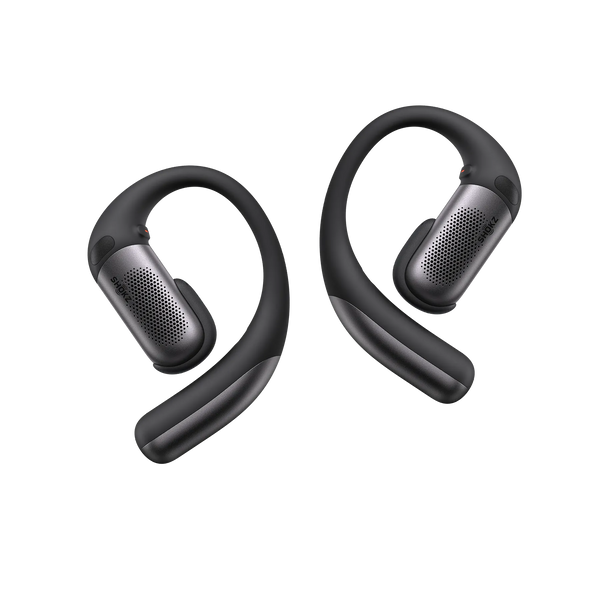
To balance audio performance with daily wearability, the Shokz OpenFit Pro translates technical features into everyday comfort. Its Ultra-Soft Silicone™ 2.0 helps prevent ear fatigue during long shifts. You can enjoy surprisingly rich bass with minimal sound leakage thanks to DirectPitch™ technology. Additionally, AI-enhanced microphones help ensure clearer calls on busy commutes, while a generous 50-hour battery life greatly reduces daily charging anxiety, keeping you comfortably connected.
FAQ
Q1: Do open-ear headphones have good sound quality?
A:They generally provide clear, high-quality sound. While open designs naturally offer less deep bass and noise isolation than sealed earbuds, they create a wider, more natural soundstage. Additionally, modern directional audio often helps compensate for this low-end reduction.
Q2: What are the downsides of open earbuds?
A: The primary downsides are the lack of passive noise isolation and a reduction in bass impact. In very loud environments (like a crowded train), ambient noise can overpower your audio. Additionally, if you turn the volume up to maximum levels in a quiet space, there is a chance of sound leakage that people nearby might hear.
Q3: What are the most comfortable open-ear headphones?
A: Comfort is subjective and depends largely on your individual ear shape and skin sensitivity. Generally, models that utilize soft, skin-friendly materials, lightweight frames, and balanced weight distribution tend to be the most comfortable for long-term wear. Many users find brands that specialize in this specific category, such as Shokz open-ear headphones, to be highly comfortable due to their ergonomic designs, though it is always best to choose a style that fits your specific anatomy.
Conclusion
Choosing open-ear headphones isn't about accepting poor audio—it is about matching gear to your lifestyle. You trade heavy sub-bass and total isolation for a natural soundstage and lasting relief from ear pressure.
If desk work, busy commutes, or outdoor runs dominate your day, prioritizing physical comfort and awareness makes sense. If a pressure-free listening experience fits your habits, try quality open-ear headphones and hear the difference yourself.