Sports Earbuds vs. Bulky DIY Hacks: The Battle Between Style and Security

Applying tape to sports earbuds or adding aftermarket foam to prevent mid-run drops is a familiar frustration. The goal is a clean, wire-free aesthetic, but the result often ends up looking bulky and improvised.
Understanding why standard designs struggle to stay put during intense movement is the first step toward finding a stable, comfortable fit without relying on makeshift solutions.
Why Standard Wireless Headphones Struggle During Workouts
Standard earbuds may feel comfortable at a desk, but workouts introduce sweat, constant movement, and repeated impact that can gradually loosen the fit over time. For many people, the problem comes down to individual ear shape. As one Reddit user explained:
“I've tried for years with those style headphones and never got them to stay. It's because the shape of your ear channels is just different enough that no matter what size ear cups you swap out, they won't stay.”
This often leads runners and gym-goers to experiment with DIY fixes like foam tips, tape, or silicone hooks for extra stability.
The Reality of DIY Wireless Earbuds Hacks: Stability vs. Comfort
When your earbuds keep falling out, it’s tempting to head to Amazon for a quick fix. But hacking your gear often creates more problems than it solves.
A Secure Fit, But with Added Bulk
Aftermarket hooks or foam might offer temporary stability, but they compromise your audio gear's aesthetic. These bulky DIY fixes typically fit poorly, rub awkwardly against the skin, and can still fail under heavy sweat.
Ear Fatigue and Discomfort During Long Workouts
Many aftermarket wings or hooks secure the earbud by wedging tightly against the folds of the outer ear. While this helps prevent slipping, the constant, unnatural tension can lead to noticeable ear fatigue and soreness over time, potentially distracting from the training session.
Here is a quick breakdown of three common DIY earbud hacks for your reference.
|
DIY Hack |
Stability |
Comfort |
Main Drawbacks |
|
Medical / Sports Tape |
High |
Low |
• Leaves sticky adhesive residue on earbuds • Loses grip and peels off when soaked in sweat • Causes skin irritation or redness during movement |
|
Memory Foam Tips |
Medium |
Medium |
• Traps sweat like a sponge (unhygienic/smells bad) • Expands to create intense inner-ear pressure • Degrades and crumbles quickly, requiring frequent replacement |
|
Silicone Hooks / Wings |
High |
Low |
• Pinches the ear cartilage, causing physical soreness • Blocks earbuds from fitting into the charging case • Completely ruins the sleek, original design of the earbuds |
How Open Ear Headphones Offer the Best of Both Worlds
If you want a secure fit without the Frankenstein-like DIY hacks, open-ear headphones are typically the most effective upgrade. Instead of fighting ear canal friction, they use the natural shape of your ear to their advantage.
Reliable Stability Through Better Weight Distribution
Open-ear models utilize a strategic ear-hook or clip-on design. This distributes the weight evenly around the outer ear structure, ensuring the device stays securely anchored even during high-intensity sprints.
Lightweight Comfort for Long Workouts
By leaving the ear canal open, this design minimizes internal pressure points. In many cases, they can be worn comfortably through marathon training sessions with significantly less risk of the cartilage ache associated with forced-in ear tips.
Better Hygiene and Ear Canal Health
Moisture trapped inside the ear canal can create an environment prone to bacterial growth, which increases the possibility of ear inflammation or infections. An open-ear design allows continuous airflow, helping to keep the ears dry and cool, supporting better overall ear hygiene.
What to Look For in Open Ear Sports Headphones
Not all open-ear designs are created equal. If you are ready to upgrade, keep an eye out for these specific features to ensure you get a durable, high-quality experience:
Skin-Friendly Materials and Frame Durability
Look for soft-touch silicone and flexible titanium frames. These materials conform naturally to your head shape and generally withstand the daily wear and tear of a gym bag beautifully.
Ergonomic Design and Weight Balance
A smart ergonomic design utilizes the battery and acoustic components as counterweights behind the ear. This prevents that annoying front-heavy sagging and eliminates the need for mid-run readjustments.
Directional Audio and Leakage Control Technology
Open-ear doesn't mean everyone at the gym needs to hear your playlist. Look for directional audio technology that beams sound directly into your ear canal while minimizing leakage to those around you.
Certified IP Ratings for Sweat and Dust Resistance
Usually, you'll want to look for at least an IP54 rating. This guarantees the internal electronics are properly sealed against heavy sweat and sudden rain showers.
Recommended Example: Shokz Open Ear Headphones
If you are looking for a reliable starting point that balances both form and function, Shokz offers some excellent purpose-built options that eliminate the need for DIY hacks.
Shokz OpenFit Pro :Ergonomic Earhooks for Daily Fitness
Designed for daily fitness, the Shokz OpenFit Pro features an ergonomic earhook that anchors securely during gym routines without entering the ear canal. Its IP55 sweat-resistant, lightweight build ensures a fatigue-free, sleek fit throughout daily strength training sessions.
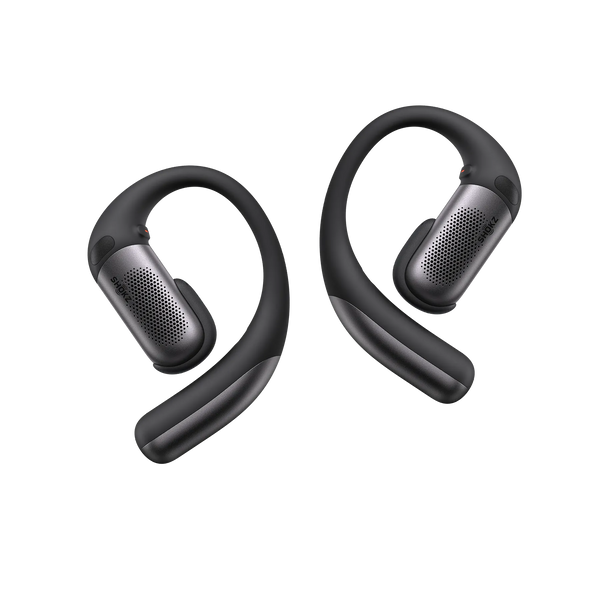
Shokz OpenDots ONE :Eyewear-Friendly Clip-On for Light Jogs
If you regularly wear sports sunglasses or a running cap, the OpenDots ONE is a fantastic alternative. Its unique clip-on design attaches securely to the outer ear cartilage, staying locked during light jogs without interfering with your eyewear. You get immersive Dolby Audio and an impressive 40 hours of battery life for active daily routines.

FAQ
Q1: Do open ear headphones fall off easily when running?
A: Generally, no. Because they utilize structured ear hooks or clip-on mechanisms rather than relying solely on ear canal friction, they are explicitly engineered to remain securely anchored during heavy movement and sprints.
Q2: Do open-ear headphones lack bass for workout music?
A: Not anymore. While early iterations occasionally struggled with lower frequencies, modern open-ear headphones frequently use advanced directional acoustics and low-frequency enhancement algorithms to deliver surprisingly deep, punchy bass without needing to seal the ear.
Q3: Will bulky DIY ear hooks damage my wireless earbuds?
A: Yes, they can over time. Forcing tight, incompatible silicone sleeves onto standard earbuds puts unnecessary stress on the device's seams. Additionally, constantly stretching these hooks on and off so your earbuds can fit back into their charging case often accelerates the wear and tear of delicate internal joints.
Conclusion
The struggle between maintaining a clean aesthetic and achieving a secure workout fit doesn't have to end in clumsy DIY compromises. While standard wireless earbuds are fantastic for your daily commute, relying on bulky aftermarket hooks or tape for intense training simply isn't a comfortable or sustainable solution.
Purpose-built open-ear headphones bridge this exact gap, delivering the unwavering stability you need without sacrificing your personal style or inner-ear comfort. Ready to upgrade your workout gear? Put away the makeshift accessories, check out dedicated open-ear sports options like those from Shokz, and finally experience high-quality audio that naturally stays right where it belongs.