What Are Earhook Earbuds? A Full Guide to How They Work and Fit

What Are Earhook Earbuds, Exactly?
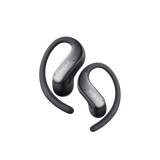
Earhook earbuds are earbuds with a curved arm or loop that wraps over or around the outer ear, helping hold the earbud in place. The idea is simple: instead of relying mainly on the ear canal for positioning, the design adds another point of support around the outside of the ear.
That is what sets them apart from earbuds with fins or wingtips. Fins usually brace against the inner folds of the ear, while the main body still relies on its position in or near the canal. Ear hooks use a different support point around the outer ear, giving the earbud another way to stay in position.
They differ from open-ear clip styles too. A clip-on design may attach to or rest against different parts of the outer ear, often using a smaller contact point rather than a full over-ear loop. An over-ear hook forms an arc around the ear itself, creating a different type of outer-ear support. How each design feels depends on the specific construction and fit.
The mechanism is straightforward. The hook rests behind the ear or over its upper ridge, adding support outside the ear canal. This shifts some of the reliance away from canal friction alone, which is the basic idea behind the earhook design.
Why Earhook Earbuds Matter: The Fit and Security Payoff
Fit issues rarely begin when you are standing still. They become more noticeable once you start moving, sweating, adjusting, or talking. Ear hooks matter because they change where the earbud is supported.
Staying Put During Workouts and Movement
This is one of the main reasons people consider earhook earbuds.
You start a run. Your body warms up. Sweat builds. A standard earbud that felt fine at the curb may start moving out of position by mile two. In a HIIT class, burpees, shoulder shrugs, floor work, or even wiping your face with a towel can nudge a loose bud out of place.
An ear hook adds another contact point outside the ear canal. Once the hook is positioned over the ear and the bud is adjusted, the outer-ear support can help keep the earbud in position as you move. How much difference that makes depends on the hook design, fit, and the shape of your ear.
The details still matter. Hook stiffness, surface texture, flexibility, and earbud weight all shape the result. A soft, well-shaped hook may move more naturally with your ear, while a heavier bud or a poorly matched fit may still shift once sweat builds up. Not every hooked design will feel the same during demanding gym sessions.
If secure gym use is a priority, a lightweight open-ear hook design is one option to consider. Shokz OpenFit Air 2 features a flexible ear hook and weighs just 7.2g per earbud, giving users a lightweight design with an additional point of support around the ear. For workouts, that combination can make the fit easier to adjust to your ears while keeping the ear canal open.
All-Day Wear Without Ear Fatigue
Security is only half the story.
For some people, the appeal of earhook earbuds is not just keeping the earbuds in place, but changing how they sit on the ear. Instead of relying mainly on pressure inside the ear canal, the hook adds an external point of support. Depending on the hook shape, tension, earbud weight, and individual ear shape, this can feel more comfortable for longer periods of wear.
Fit adjustments can also make a difference. A hook that matches the shape of your ear can help distribute contact more naturally, while a fit that is too tight or too loose may become noticeable over time. Jaw movement from talking or chewing can also affect the position of some conventional earbuds, so having another point of contact around the outer ear may help maintain the fit.
Open-ear earhook earbuds take a slightly different approach to comfort because they do not seal the ear canal. For people who dislike the sensation of having their ears plugged or sealed, this can feel less occlusive during longer listening sessions. Shokz models use this open-ear approach with outer-ear support, combining the two design elements for people who prefer to keep their ears open to surrounding sounds while wearing their earbuds.
Types of Earhook Earbuds: Which Fits Your Use Case
Not all ear hooks feel the same. Some are built to flex. Some hold a more fixed shape. Some wrap fully around the ear, while others use a lighter contact point.
Flexible or Adjustable Hooks
Flexible hooks are often a practical option for daily use. They can bend slightly and adapt to different ear shapes, although the amount of flexibility varies by design. If you wear earbuds for commuting, desk work, walking, and occasional exercise, this style may feel more forgiving.
Adjustability matters for the same reason. Small changes in angle can make a noticeable difference. The fit comes down to finding a balance: too loose and the earbud may move; too tight and you may notice more pressure around the ear.
Rigid or Detachable Hooks
Rigid hooks hold a more fixed shape. That can provide a consistent fit when the curve matches the wearer’s ear, but it may feel less adaptable if the shape does not line up well with your anatomy.
The trade-off is flexibility. If the curve does not match your ear well, you may notice the contact point more over longer periods of wear. Some detachable-hook systems let you swap parts or adjust the setup, but comfort still depends on how well the shape matches your ear.
How to Properly Wear Earhook Earbuds
A good fit starts with the right positioning. Angle the earbud, place the hook over the top of your ear, then gently rotate the bud backward until it settles into place.
Start by lining up the speaker with your ear opening and resting the hook over the ear rather than pushing the earbud straight inward. Once positioned, make a quick movement check: shake your head, open and close your jaw, and look down. If the earbud shifts or creates a pressure point, adjust the angle or hook position.
With earhook earbuds, small adjustments can make a difference. The goal is a position where the hook provides support without pinching and the speaker sits naturally. If you wear glasses, put them on before making your final adjustment to make sure the glasses and hook do not compete for the same space.
Comfort and Compatibility Limits
Ear hooks are not automatically more comfortable for everyone. Heavier earbuds or stiffer hooks may create a pressure point behind the ear, while glasses, masks, earrings, hats, and long hair can also affect the fit.
Water resistance should also be considered carefully. IP ratings describe resistance to dust and/or water under defined conditions, but a water-resistance rating does not mean the earbuds are suitable for swimming or submersion.
Sound is another consideration, especially with open-ear designs. Achieving the same perceived bass response as some sealed in-ear designs can be more challenging without a sealed canal. The acoustic approach is simply different, so an open-ear earhook model may not sound the same as a sealed in-ear set.
Fit can also vary between designs and wearers. Hook shape, flexibility, earbud weight, sweat, and individual ear shape can all affect how the earbuds feel during different activities.
FAQ
What’s the Difference Between Earhook and Clip-On Earbuds?
Earhook earbuds use a curved hook that wraps over or around the outer ear for additional support, while clip-on earbuds use a different contact point on the outer ear, often with a smaller attachment structure. They are two different designs, and the fit of each depends on the specific construction and the wearer’s ear shape.
The Bottom Line on Earhook Earbuds
So, what are earhook earbuds?
They are earbuds designed with a hook that wraps over or around the outer ear, adding another point of support rather than relying on canal positioning alone. That change in structure can affect how the earbuds fit during different activities and how they feel over longer periods of wear.
But the category is not one-size-fits-all. Hook shape, earbud weight, flexibility, fit, and your own ear anatomy all influence the result. The right earhook earbuds for you are the ones whose design and fit work comfortably with your ears and the way you plan to use them.
And that is what makes the earhook design worth understanding: the basic structure is simple, but the actual wearing experience depends on how that structure interacts with the specific earbud and the person wearing it.